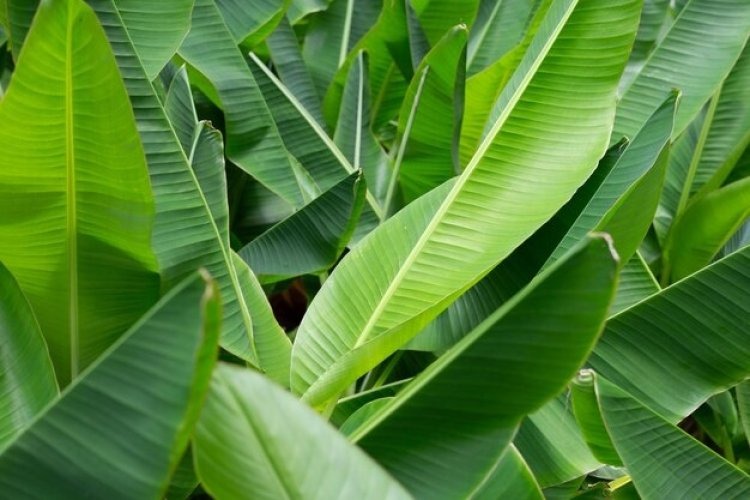
What was once a simple leaf used in traditional Indonesian kitchens is now making its way into Michelin-starred restaurants, organic packaging startups, and eco-conscious cafes around the world. The banana leaf’s journey from farm to international packaging is not only fascinating—it’s redefining how we see agricultural byproducts.
In many Indonesian villages, banana trees are grown for their fruit, while the leaves are often discarded or used in local dishes. However, global demand for sustainable alternatives to plastic has created a new market for these large, flexible, biodegradable leaves.
PT Citra Mancanegara recognized this opportunity early on. Working closely with farmers, the company helps select and harvest the best quality leaves. The leaves are cleaned, flattened, dried or chilled depending on the export format, and packaged with care to preserve freshness.
The final destination varies. Some banana leaves go to restaurants in Europe for natural plate presentations. Others are used by eco-packaging brands to wrap organic products, replacing single-use plastics. Even florists and decorators in the U.S. are using banana leaves for their texture and aesthetic value.
Beyond their utility, banana leaves symbolize a deeper movement—toward using what nature provides without excess. Their story reflects a global shift in consumer consciousness, and a local story of economic empowerment.
This transformation has breathed new life into banana farming. Farmers who once saw the leaves as waste now view them as income. It’s a simple innovation, but one that bridges culture, commerce, and sustainability.