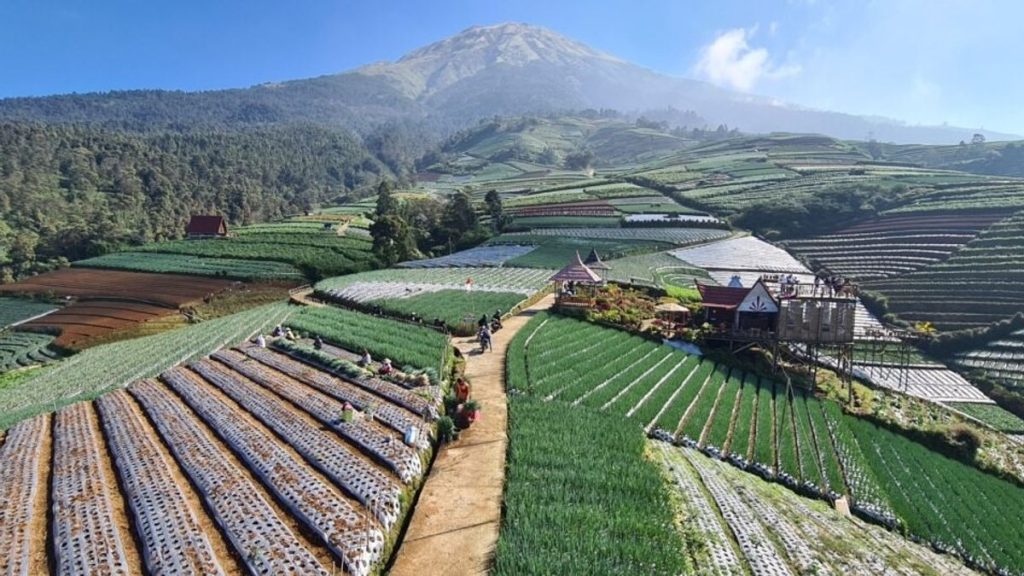
Global trade is undergoing a seismic shift. Consumers, governments, and companies alike are demanding sustainability—not as an option, but a necessity. In this new landscape, sustainable agriculture isn’t just a philosophy; it’s becoming the foundation for long-term economic relevance.
Sustainable agriculture prioritizes responsible resource use, environmental protection, and social equity. For companies like PT Citra Mancanegara, it means sourcing directly from farmers who use natural farming practices, ensuring fair compensation, and minimizing waste in the supply chain.
Why does this matter globally? First, buyers are increasingly prioritizing traceability. Whether it’s banana leaves or cassava, international clients want to know where products come from, who grew them, and how they were handled. Certifications, audits, and transparency are no longer extras—they are requirements.
Second, climate change and resource scarcity are forcing a reevaluation of farming systems. Sustainable practices—like crop rotation, organic pest control, and zero-waste processing—help protect the environment while improving yields.
Third, ethical consumerism is on the rise. People want products that align with their values. Commodities grown without exploiting people or the planet are more attractive than ever.
For Indonesia, this is both a challenge and an opportunity. With its rich biodiversity and skilled farmers, the country is uniquely positioned to lead in sustainable exports. Companies like PT Citra are paving the way—building systems that connect responsible production with global demand.
The result is not only environmental benefit but also economic resilience. Farmers earn better incomes. Buyers gain trust. The planet is treated with care. In the future of global trade, sustainability isn’t a trend—it’s the standard.